Liquid trade waste
Liquid trade waste is defined in the Local Government (General) Regulation 2005 as "all liquid waste other than sewage of a domestic nature".
Liquid trade waste includes non-domestic liquid waste discharges to Council's sewerage system from:
- industrial premises
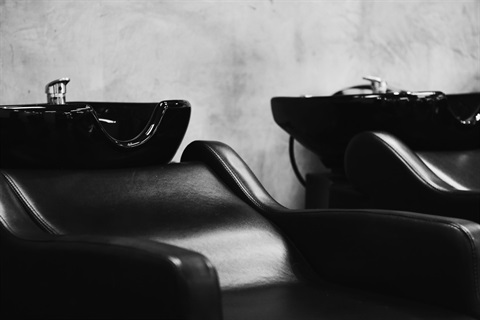
- business/commercial premises (such as beautician, florist, hairdresser, hotel, motel, restaurant, butcher, supermarket, etc.)
- community/public premises (including clubs, schools, colleges, universities, hospitals and nursing homes)
- any commercial activities carried out at a residential premises
- saleyards, racecourses, stables and kennels that are not associated with domestic households
- tankered human waste, ship-to-shore waste from marina pump-out facilities, portable toilet waste and established sites for the discharge of pan contents from mobile homes/caravans
- any other waste tankered to the sewerage facilities, such as commercial or industrial waste from areas that are not sewered.
Liquid trade waste excludes:
- toilet, hand wash basin (used for personal hygiene only), shower and bath wastes derived from all the premises and activities mentioned above
- wastewater from residential toilets, kitchens, bathrooms or laundries (i.e. domestic sewage)
- wastewater from common laundry facilities in caravan parks (discharges from common kitchen facilities in caravan parks are liquid trade waste)
- residential pool backwash.
The above does not address the management and discharge of liquid waste to destinations other than the sewerage system, such as to waterways or onto land.
Note: Liquid trade waste has commonly been referred to as 'trade waste', 'industrial effluent', 'trade effluent' or more recently 'trade wastewater'.
Council's Liquid Trade Waste Policy
Council has a Discharge of Liquid Trade Waste Policy(PDF, 502KB) which outlines how liquid trade waste is managed and regulated in the Tweed Shire.
The policy outlines the approval, monitoring and enforcement process for managing liquid trade waste, as well as how commercial sewer usage and liquid trade waste fees and charges are levied.
Liquid trade waste discharge is categorised and charged according to the following:
- quality of liquid wastes being discharged
- quantity of liquid wastes being discharged
- risk posed by these liquid wastes to the sewerage system, people and environment
- pre-treatment requirements.
Compliance, monitoring and testing
Council manages liquid trade waste by:
- Mandatory on-site pre-treatment requirements for commercial and industrial properties.
- Guidelines for the amount and type of liquid trade waste allowed to be discharged to the sewer.
- A licensing system, whereby liquid trade waste dischargers are required to hold a current Liquid Trade Waste Approval from Council.
- A rigid compliance program involving monitoring and random sampling of commercial and industrial pollutants by Council.
On-site pre-treatment
On-site pre-treatment refers to the treatment of liquid trade waste generated on the premises before it's discharged to Council's sewerage system.
Pre-treatment may be very simple or quite complex, depending on the type of liquid waste being treated:
Examples of simple pre-treatment facilities:
- grease arrestors
- general purpose pits
- silver recovery units
- neutralising traps
- cooling pits
- oil separators.
More complex pre-treatment may include:
- chemical dosing
- balancing tanks
- biological treatment
- pH control.
Examples of businesses requiring on site pre-treatment include:
- bakeries
- butchers
- cafés, restaurants and chicken shops
- fish and bait shops
- hospitals and nursing homes
- hotels and motels
- laundries and dry cleaners
- printers
- registered clubs
- service stations and mechanics
- shopping centres.
New liquid trade waste customers
Any person or business proposing to discharge liquid trade waste to Council's sewerage system must submit the following to Council:
Fees also apply, depending on the type of business and estimated liquid waste quality and quantity.
Note that for some types of liquid trade waste, Council is required to obtain the concurrence of the NSW Department of Planning, Industry and Environment - Water before approving any discharge to Council's sewerage system.
Approved liquid trade waste contractors
Many liquid trade waste businesses require regular removal of grease trap and other liquid or solid wastes that are not allowed to be discharged to the sewerage system.
Contact one of the waste contractors below to enquire about this service: