Trees on public land
Report a problem Cool Towns Trees in powerlines Issues about trees Trees in road reserves
To find out about removing a tree from your property and what approvals you may need, head to trees on private land. You can also request a single tree planting on nature strips or paths outside your residence.
For advice on which trees are best for your property see native plants.
Report a problem or make a request
Fill out the online form to report an issue relating to trees in a public place (such as road reserve, park or bushland). Or feel free to call us on 02 6670 2400.
You can also request a new tree be planted, ask for an existing tree to be pruned or removed, or approval for landscaping in the nature strip.
One of our officers will carry out an inspection and any approved works will be completed by one of our tree specialists (arborist).
Some of the considerations when planting a new tree include checking for pedestrian access, vehicle vision and underground services.
Tree services request
Cool Towns tree project
Street trees are a great way to reduce heat in our urban areas. They provide shade, make our streets look nice and have a cooling effect (reducing temperatures by as much as 14 degrees).
Council's Cool Towns Urban Forest Program is focusing on areas of the Tweed that lack shade.
Future programs aim to get the community involved in planting and caring for trees in their own streets and parks.
Find out more.
Trees in powerlines
Essential Energy are responsible for pruning trees that are growing into the powerlines.
Most trees are unsuitable for planting under powerlines. For more information, call 13 23 91 or visit the Essential Energy website.
The following guidelines on their website also provide some helpful advice:
Issues about trees on Council land
Council provides guidelines in dealing with emotive issues about trees on Council land. We handle matters in a fair and consistent way for our community.
Planting and trees in the road reserve in residential areas
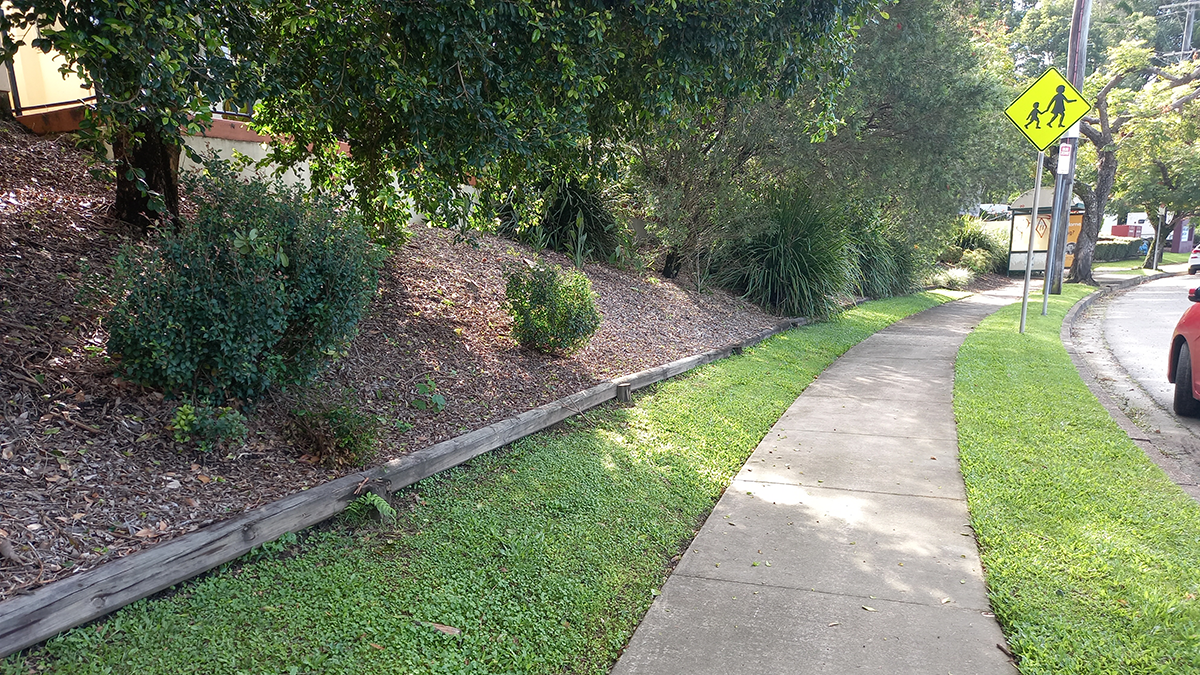
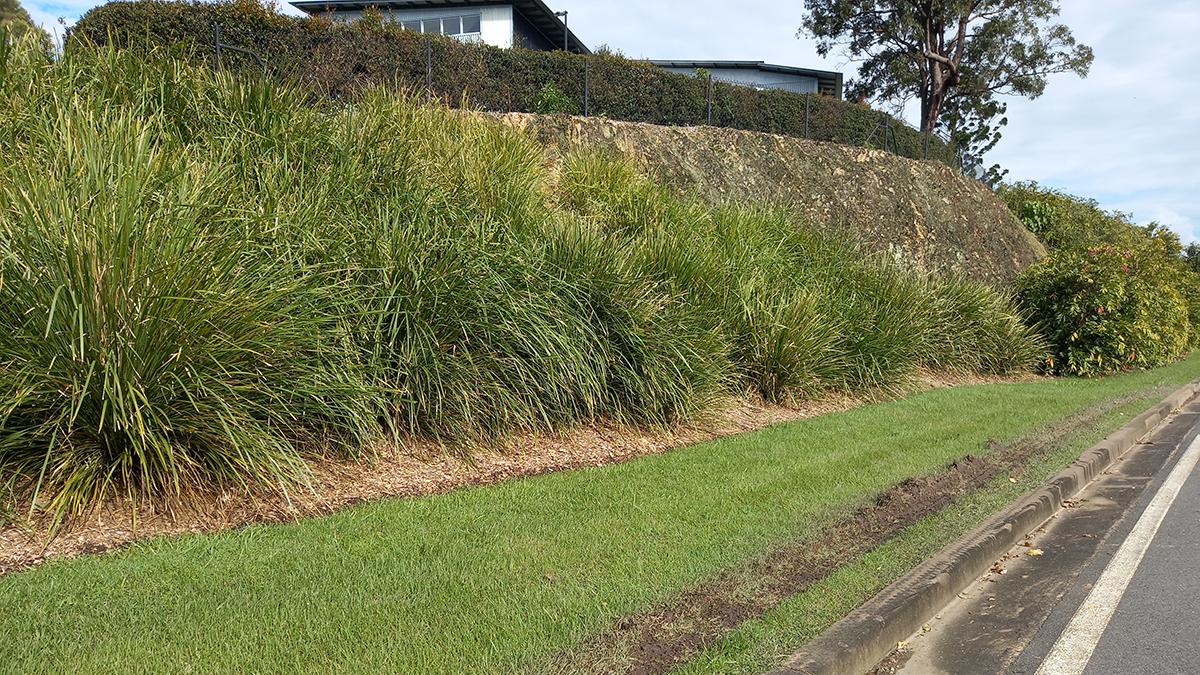
Approval from Council is required for any landscaping other than mowed turf and Council-planted street trees, given the important infrastructure in these areas, potential land use conflicts, and public safety hazards that can arise. Read the Guidelines for road reserve vegetation in urban areas(PDF, 969KB)
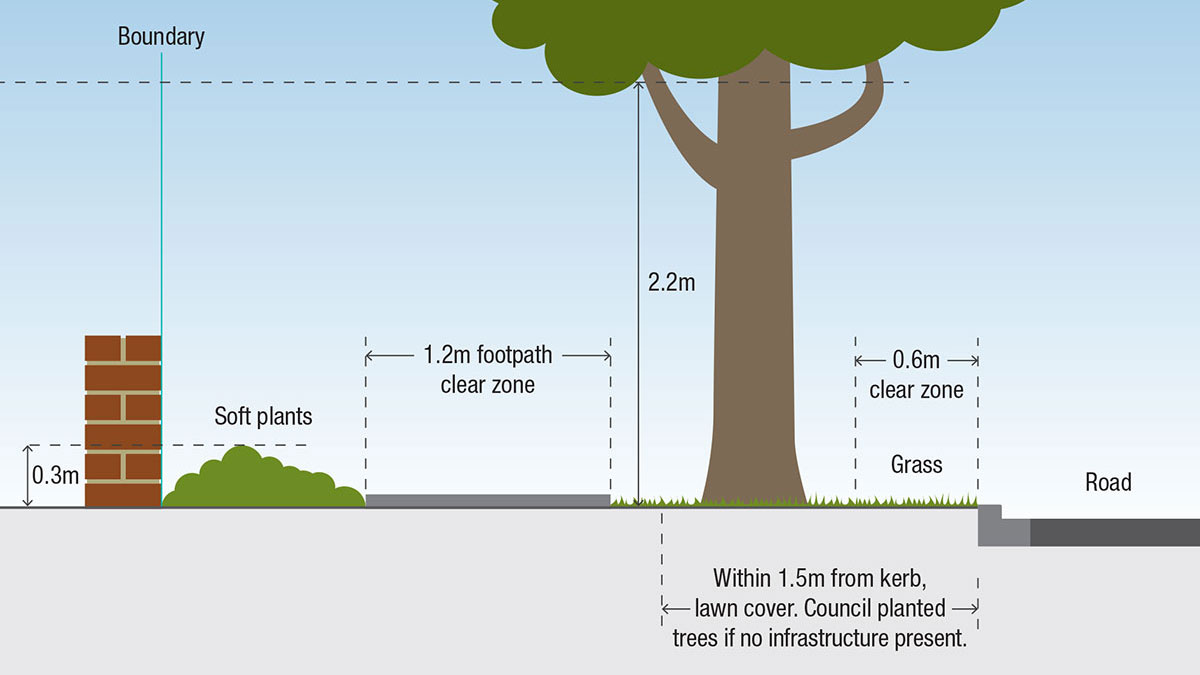 Section of a standard roadside nature strip.
 Keep mulch away from the gutter.
 Ensure there is pedestrian access along the verge.
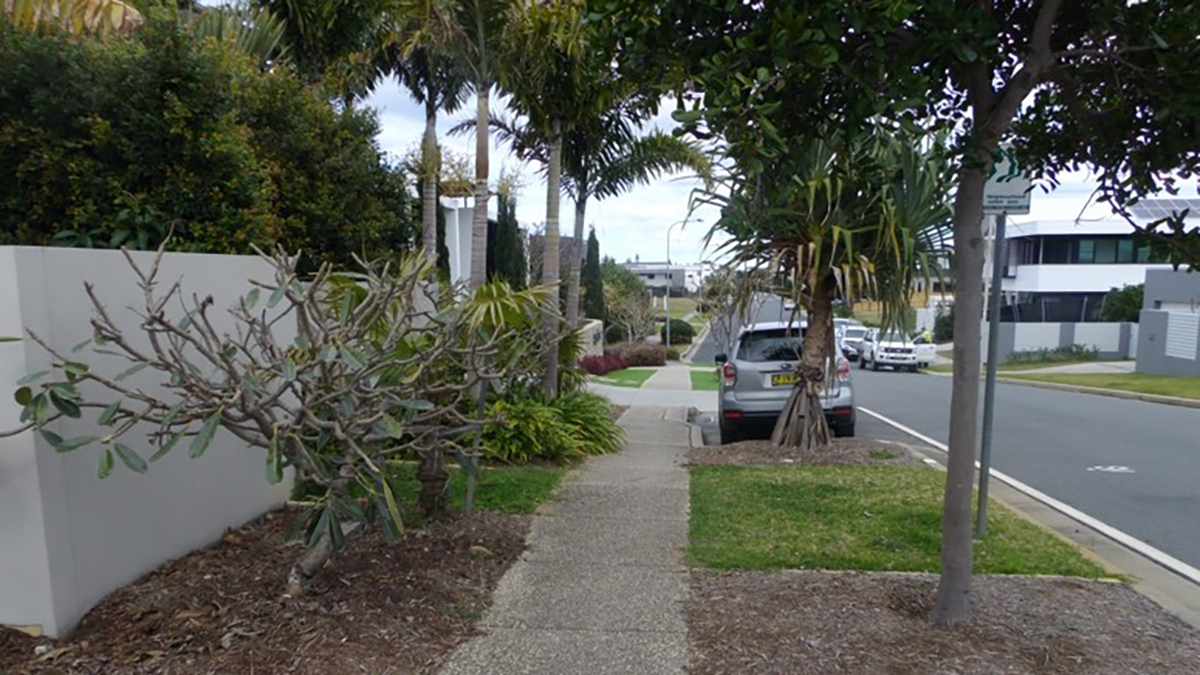 Tree canopies must not obstruct pedestrian access.
Apply to landscape on a road reserve