Electric vehicles
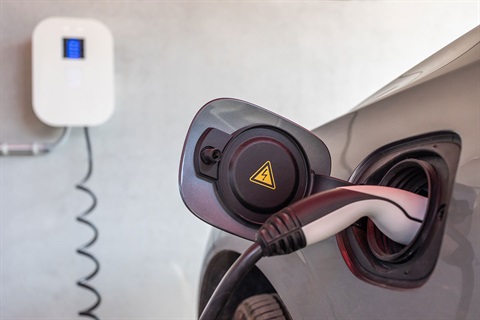
The 2022–23 greenhouse gas emissions snapshot shows that 36% of the Tweed’s emissions come from on road transport. Carbon pollution from fossil fuel use in cars makes up over half of this amount.
Electric vehicles (EVs) offer a low pollution solution compared to traditional cars. Because electric vehicles emit zero tailpipe emissions, even an electric vehicle charged exclusively from a coal-powered electricity source will produce lower emissions over its lifecycle of manufacturing, use, maintenance and disposal. While battery production is emissions intensive, an electric vehicle will produce less emissions than a petrol equivalent after 70,000 km of driving.
When EVs are powered by green power or solar, they are the best low-impact motorised passenger vehicle available.
EVs and public charging infrastructure are becoming more common in Australia. Find out what you need to know about going electric on this page.
Electric vehicles 101
Watch this video from our sustainable living playlist to get you started.
EVs – what to consider
The Australian Government’s Green Vehicle Guide provides useful information when considering purchasing an EV, including benefits, costs and rebates that may be available, as well as information about emissions and how to charge.
EV charging
Find out what you need to know about charging electric vehicles with the Electric Vehicle Council’s A to Z of EV charging.
Visit the PlugShare website to find a charger near you.
Essential Energy pole-mounted EV charger trial
Tweed Shire Council is one of five councils involved in Essential Energy’s trial of pole-mounted EV chargers.
22kW ‘destination’ EV chargers have been installed on Essential Energy poles at the following Tweed sites:
- 115 Wollumbin St, Murwillumbah (outside TAFE/Centrelink)
- 37 Broadway, Burringbar
- 45 Bay St, Tweed Heads
- 54 Pearl St, Kingscliff
- 29 Coolman St, Tyalgum
Key features of the chargers include:
- 22 kW AC power rating, although most EVs onboard chargers limit AC charging to 11kW
- Charge rates of between 60 to 100 km of range per hour of charging, depending on the vehicle
- EV drivers provide their own charge cable with a ‘Type 2’ plug
- Charge is paid for via the Everty app.
Contact Everty via the app if there are any technical issues with the chargers.
Read more about Essential Energy’s EV Charging Trial(PDF, 214KB).
Find out more about EV chargers in the Tweed and Council’s role(PDF, 895KB).
NSW electric vehicle strategy
The NSW Government’s electric vehicle strategy outlines how the government will support transition to electric vehicles.
Vehicle efficiency standards
The Federal Government is considering a New Vehicle Efficiency Standard, which incentivises companies to provide cars to the market that use less fuel per kilometre, reducing emissions over time.
The Climate Council have compiled this list of 10 things you should know about Fuel Efficiency Standards.